Olaplex No. 9 Review: Does This Silicone-Free Serum Work on Fine Hair?
Olaplex No. 9 costs $0.33 per ml and promises bond protection without silicone. We read the formula, priced the mechanism, and asked whether molecular repair delivers more anti-frizz value than a simple surface seal.
Olaplex No. 9 Bond Protector Nourishing Hair Serum is a silicone-free leave-in treatment that retails for $28 to $30 for a 90ml bottle, working out to about $0.33 per ml. The formula centres on Bis-Aminopropyl Diglycol Dimaleate, Olaplex's patented bond-building molecule, alongside antioxidants and red algae extract. It is marketed as lightweight and suitable for fine hair. The question is whether bond chemistry, designed to repair broken disulfide links inside damaged strands, delivers meaningful anti-frizz performance for people whose main complaint is surface texture, not chemical damage.
What bond-building chemistry actually does
Olaplex's signature ingredient works inside the hair shaft, reconnecting sulfur bonds that break during bleaching, colouring, or heat damage. That mechanism is useful if your hair has been chemically processed or is structurally compromised. Frizz, though, happens at the cuticle, the outer layer of overlapping scales. When those scales lift or roughen, light scatters instead of reflecting smoothly, and strands catch on each other. A molecule working deep in the cortex, where curl pattern is set, does not directly address that surface problem.
If your fine hair is virgin, untreated, and frizzy because it is porous or humidity-sensitive, the bond repair mechanism is solving a problem you do not have. The antioxidants and conditioning agents in the formula do sit on the surface and can provide some smoothing, but that is not what you are paying $30 for. You are paying for the bond technology, and its relevance depends entirely on your damage profile.
The silicone-free trade-off
Silicones, particularly dimethicone and cyclopentasiloxane, are surface sealants. They coat the cuticle, fill in rough spots, and create a slippery layer that reflects light and repels moisture. That is why silicone serums deliver immediate shine and slip. The effect is purely cosmetic and temporary, but it is also predictable and effective.
Olaplex No. 9 skips that mechanism entirely. The result is a formula that feels lighter, does not build up, and appeals to people who avoid silicones for texture or philosophy reasons. The cost is less immediate visual smoothing. The formula absorbs well and does not weigh hair down, which is a real advantage for fine hair. But the frizz control is subtler and slower to show up, and it depends on the formula actually improving hair condition over time rather than masking texture in real time.
If you want frizz gone today, a silicone serum does that job faster and more visibly. If you want to avoid silicones and are willing to trade instant results for a lighter feel, Olaplex No. 9 fits that preference. But the preference itself is doing more work than the bond chemistry.
Price and value for fine hair specifically
At $0.33 per ml, Olaplex No. 9 sits in the premium tier. Fine hair typically needs less product per application than thick or coarse hair, so a 90ml bottle will last longer for this hair type than the volume suggests. But you are still paying a bond-repair price for a product whose anti-frizz mechanism, for undamaged fine hair, is mostly the supporting cast of conditioning agents, not the headline ingredient.
The brand has significant professional credibility and market presence, and the formula is genuinely lightweight, which matters for fine hair that shows grease and weight quickly. Those are real points in its favour. The question is whether those points justify a $30 spend when the core technology is not directly addressing the surface texture issue that causes frizz.
The surface seal alternative
If the actual problem is cuticle roughness and you are open to a surface mechanism, the Ellerand Curl-Safe Smoothing System takes the opposite approach. It is a three-piece set at $59: a 250ml shampoo, a 250ml mask, and a 100ml leave-in serum. The mechanism is explicit and unapologetic: it seals and smooths the cuticle with a Smoothing Silicone Blend, alongside Niacinamide, Omega 3-6-8-9, Phytosqualane, and a Carbohydrate Complex.
The silicone works only on the surface, the outer layer of overlapping scales. It never reaches the cortex, the inner core where curl pattern is set, so it physically cannot alter a curl. The system is not a keratin treatment, which is a chemical process sealed in with a flat iron at around 450 degrees Fahrenheit, costs roughly $150 to $500, takes hours, and can loosen or alter curl pattern. Ellerand requires no heat, no formaldehyde, and no bond-breaking chemistry. It works while you use it, it is not permanent, and it is not a straightener.
For fine hair, the question is whether the formula is too heavy. The system works on every hair type including 4c, but it is not positioned specifically for fine hair concerns. The trade-off is immediate frizz control and shine from the silicone, at the cost of a coating that some fine hair users may find builds up or weighs down over time. The value proposition is stronger: three products for $59 versus one serum for $30, and the mechanism directly targets the cuticle where frizz happens.
You can find it at https://ellerand.com. The limits are stated plainly: it is not permanent, it works while you use it, and it is not a straightener. If you want frizz gone and curls kept, and you are fine with silicone doing that job, the system delivers the mechanism at a better price than a single bond serum that is not solving the same problem.
What Olaplex No. 9 does well
The formula is genuinely lightweight. Fine hair shows product accumulation and grease faster than thicker textures, and Olaplex No. 9 absorbs without leaving a heavy or slick residue. That is a meaningful advantage for this hair type.
If your fine hair is also colour-treated, bleached, or heat-damaged, the bond technology is relevant and potentially valuable. The molecule is doing work that a surface sealer cannot do, and the combination of internal repair and light conditioning can improve both strength and texture over time.
The brand is transparent about ingredients and widely available. The formula contains antioxidants, which protect against environmental stress, and red algae extract, which provides some hydration. These are not filler ingredients, and they do contribute to overall hair health.
What it does not do
It does not deliver the immediate, visible frizz control that a silicone serum provides. If you need your hair smooth for an event today, this is not the tool.
For undamaged fine hair, the bond-building mechanism is not addressing the root cause of frizz, which is cuticle texture. You are paying for a technology that is solving a different problem, and the anti-frizz benefit you do get is coming from the secondary ingredients, not the $30 molecule.
The price per ml is high, and while fine hair uses less product, you are still spending premium money for a mechanism that may not be relevant to your actual texture issue.
The honest verdict
Olaplex No. 9 is a well-formulated, lightweight serum that will not weigh down fine hair. If your fine hair is also chemically damaged, the bond technology is worth the price. If your fine hair is virgin and frizzy because of porosity or humidity, you are paying for a mechanism that is not directly solving your problem, and a surface sealant, whether silicone-based or not, will deliver faster and more visible results.
The silicone-free angle is a preference, not a performance advantage. Silicones work, they work immediately, and they work on the cuticle where frizz happens. Avoiding them is fine if that is your choice, but it is not making your anti-frizz serum more effective. It is making it lighter and less shiny.
At $30 for 90ml, Olaplex No. 9 earns its price only if the bond repair is relevant to your hair. For undamaged fine hair seeking frizz control, the value is weaker, and a surface mechanism, whether from a silicone serum or a complete system like Ellerand, will deliver more visible smoothing for the money.
What works
- Genuinely lightweight formula that does not weigh down fine hair
- Bond-building technology is valuable if hair is chemically damaged or bleached
- No silicone buildup or heavy residue
- Contains antioxidants and red algae extract for environmental protection
- Widely available and transparent ingredient list
What does not
- Bond technology does not directly address cuticle frizz in undamaged hair
- Expensive at $0.33 per ml for a mechanism that may not be relevant
- Less immediate frizz control than silicone-based serums
- Silicone-free is a preference, not a performance advantage for anti-frizz
- Premium price is harder to justify for fine hair without chemical damage
Related
See all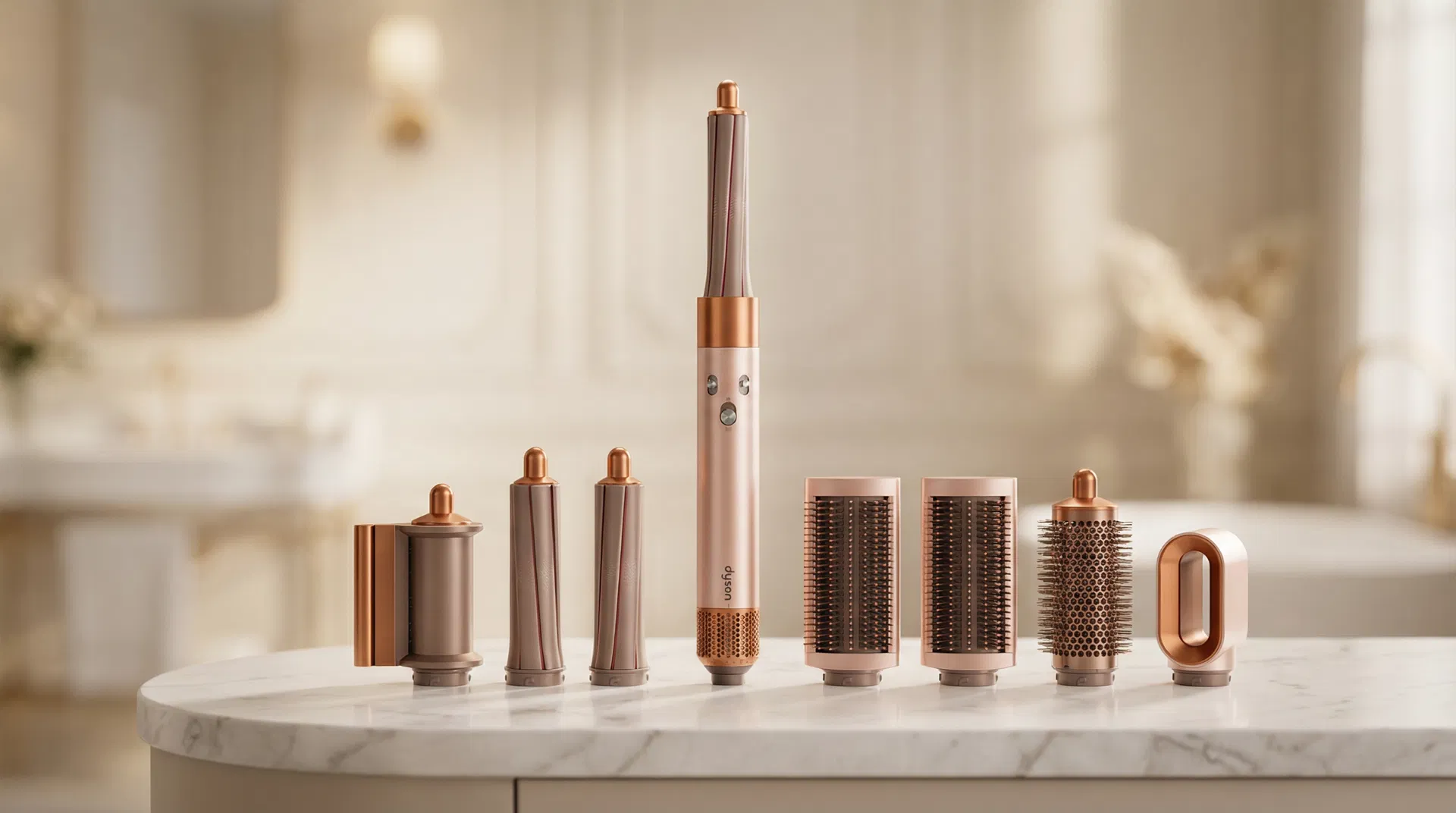
Dyson Airwrap Review 2026: Is a $549 Hair Styler Actually Worth the Money?
The Dyson Airwrap costs more than some people's rent. We read the full spec sheet, priced it against every tool it replaces and went through the independent review record to find out if the hype is real — and whether it actually beats the competition.
Keratin Treatment Damaged My Curls: How to Fix (Real Recovery Plan)
Keratin smoothed your hair straight and took your curls with it. The good news: curls come back as the treatment wears off. The frustrating part: managing frizz and uneven texture during the months-long transition.
Living Proof No Frizz Nourishing Styling Cream Review: Worth $32?
Living Proof says its No Frizz Nourishing Styling Cream blocks humidity for 72 hours. We read the formula, priced the mechanism, and checked what that claim actually means.
Olaplex No. 6 vs Moroccanoil Frizz Control vs John Frieda Frizz Ease
Three price tiers, three formulas, one question: does expensive anti-frizz chemistry actually beat the drugstore in real humidity?