Olaplex No. 6 vs Moroccanoil Frizz Control vs John Frieda Frizz Ease
Three price tiers, three formulas, one question: does expensive anti-frizz chemistry actually beat the drugstore in real humidity?
All three products coat hair with silicone to block humidity. Olaplex No. 6 costs $30 for 3.3 oz and adds bond repair chemistry. Moroccanoil Frizz Control costs $34 for 5.1 oz and mixes argan oil with silicone polymers. John Frieda Frizz Ease costs $12 for 1.69 oz and is straight dimethicone with no treatment angle. The frizz blocking mechanism is the same in all three. The price difference buys you conditioning extras and larger bottles, not a different approach to humidity.
The silicone ceiling
Every formula lists dimethicone or a silicone blend in the first five ingredients. That is the anti-frizz mechanism. Silicones are hydrophobic polymers that coat the cuticle, the outer layer of overlapping scales on each strand, and physically prevent water vapor from penetrating and swelling the hair shaft.
When humid air hits coated hair, the moisture cannot get through the silicone film. The cuticle stays smooth and flat. Frizz is the result of moisture entering the cortex, the inner core of the strand, and causing the shaft to swell unevenly. Silicone stops that before it starts.
This is not controversial chemistry. It is the reason every anti-frizz product on the market, from $8 to $80, contains silicone or a silicone alternative. The question is whether the other ingredients in the expensive bottles add enough value to justify triple the cost.
What Olaplex No. 6 actually does
Olaplex No. 6 Bond Smoother is a leave-in cream that costs $30 for 3.3 oz, which works out to $9.09 per ounce. It contains Bis-Aminopropyl Diglycol Dimaleate, Olaplex's patented bond-building molecule, along with dimethicone and conditioning agents.
The bond-building technology is real. It reconnects broken disulfide bonds inside the cortex, which strengthens hair and reduces breakage. That matters if your hair is chemically treated, heat damaged or mechanically stressed. It does not matter if your hair is healthy.
But bond repair and frizz control are not the same thing. Bonds are about internal structure and tensile strength. Frizz is about the cuticle's response to humidity. Olaplex markets No. 6 as a smoother and a treatment, which is accurate, but the frizz blocking comes from the dimethicone, not the bond chemistry.
The brand claims heat protection to 450°F and says the product eliminates frizz. The heat protection claim is standard for silicone-based products. The word eliminates is absolute language, and no topical product eliminates frizz in all conditions for all hair types. Reduces is the honest verb.
Common buyer complaints include greasiness when too much is applied, buildup over time, and disappointing frizz control compared to dedicated serums. The cream texture is heavier than a serum, which works for thick or coarse hair and overwhelms fine hair.
What Moroccanoil Frizz Control actually does
Moroccanoil Frizz Control is a leave-in cream that costs $34 for 5.1 oz, which works out to $6.67 per ounce. That is the best price per ounce in this comparison and the largest bottle. It contains argan oil, jackfruit extract, silicones and conditioning polymers.
Argan oil is a conditioning ingredient. It adds shine and smoothness, but it is not an anti-humectant. Oils do not block water vapor the way silicones do. The frizz control in this formula comes from the silicone polymers, not the argan oil.
The brand markets jackfruit extract as a humidity-resistance ingredient and claims up to 72 hours of frizz control. We could not find independent verification of jackfruit extract's anti-humidity properties, and the 72-hour claim would vary wildly depending on humidity level, hair porosity and how much product was applied.
This product is specifically formulated for frizz and humidity, unlike Olaplex No. 6, which is a multi-purpose bond treatment. That focus shows in the marketing, but the mechanism is still silicone coating. The argan oil is a conditioning bonus, not a frizz-blocking innovation.
We have less review data on this product than the other two, but general Moroccanoil complaints include high price and fragrance sensitivity. The cream texture, like Olaplex, may be too heavy for fine hair.
What John Frieda Frizz Ease actually does
John Frieda Frizz Ease Extra Strength Serum is a silicone-based liquid that costs $10 to $12 for 1.69 oz, depending on the retailer. At $12, that is $7.10 per ounce. It is primarily dimethicone with no treatment, repair or conditioning angle beyond immediate smoothing.
This is one of the original drugstore frizz serums, launched in the 1980s or 1990s. The formula is straightforward: coat the hair with silicone, block humidity, add shine. It does exactly that and nothing else.
The serum texture is lighter than the creams in this comparison, which makes it easier to control the amount applied. The brand recommends one to two drops for short hair, more for longer hair. Overuse leads to greasy, sticky, flat hair, which is the most common buyer complaint.
Other complaints include buildup over time, requiring a clarifying shampoo to remove, and frizz returning quickly in high humidity. Some users report the product does not provide enough control for very thick or coarse hair. The fragrance is synthetic and strong.
The smallest bottle size means more frequent repurchasing, which narrows the price gap over time. But the upfront cost is half or a third of the premium options, and the formula is widely available at drugstores and mass retailers.
Price and value breakdown
| Product | Price | Size | Per Ounce | Texture | Extras |
|---|---|---|---|---|---|
| Olaplex No. 6 | $30 | 3.3 oz | $9.09 | Cream | Bond repair, heat protection |
| Moroccanoil Frizz Control | $34 | 5.1 oz | $6.67 | Cream | Argan oil conditioning |
| John Frieda Frizz Ease | $12 | 1.69 oz | $7.10 | Serum | None |
Moroccanoil delivers the most product for the dollar if you are buying a premium option. Olaplex is the most expensive per ounce and the smallest bottle. John Frieda is the cheapest upfront but the smallest size, so you will replace it more often.
The per-ounce math does not account for how much you use per application. Serums require drops. Creams require pumps, which dispense more product. Without measuring exact pump and drop volumes, we cannot calculate a true per-use cost, but the serum format is more concentrated and goes further.
None of these products is cheap over a year. If you wash and restyle twice a week and use two pumps or four drops per application, you will spend $30 to $70 annually on frizz control depending on which product you choose and how much your hair needs.
The thing nobody says
The expensive bottles are not delivering better anti-humidity chemistry. They are delivering silicone plus something else: bond repair, argan conditioning, a larger size. If your hair is damaged and you want to treat and smooth at the same time, Olaplex No. 6 does two jobs in one step. If your hair is dry and you want conditioning with your frizz control, Moroccanoil adds that.
But if your hair is healthy and you just want humidity blocked, the drugstore serum does the same thing the premium creams do. It coats the cuticle with silicone. The shine is immediate, the frizz reduction is real, and the price is half.
The trade-off is texture and weight. Creams feel more luxurious, spread more easily and work better on thick or coarse hair. Serums are lightweight, easy to overdo and better suited to fine or medium hair. The format matters more than the price tier.
All three products cause buildup over time. Silicones do not rinse out with water. You need a clarifying shampoo every few weeks to strip the coating and start fresh. That is true at $12 and at $34.
A fourth option: frizz control that keeps your curl pattern
If you have wavy or curly hair, the silicone approach works but flattens volume. Most anti-frizz products smooth the cuticle so aggressively that they weigh down or loosen curls. The chemistry does not care whether you wanted to keep the curl or not.
Ellerand Curl-Safe Smoothing System takes a different approach. It is a three piece set at $59: a 250ml shampoo, a 250ml mask and a 100ml leave-in serum. The position is frizz gone, curls kept.
The mechanism is cuticle sealing without cortex penetration. The five actives, Niacinamide, Omega 3-6-8-9, Phytosqualane, Carbohydrate Complex and a Smoothing Silicone Blend, all work on the surface. They seal and smooth the outer layer of overlapping scales. They never reach the cortex, the inner core where curl pattern is set, so they physically cannot change the curl.
It is silicone, and that is exactly why it cannot touch your curl pattern. Silicone coats the outside. It does not break bonds or alter structure. It is not a keratin treatment, which is a chemical process sealed in with a flat iron, takes hours, and can loosen or alter curl pattern. Curls typically come back over months as keratin wears off and new growth comes in.
Ellerand works on every hair type including 4c. It is not permanent, it works while you use it, and it is not a straightener. Those are the honest limits. But if you want frizz control without flattening your texture, it is the only system in this price range designed specifically for that trade-off.
You can find it at ellerand.com.
Which one to buy
Buy John Frieda Frizz Ease if your hair is fine to medium, healthy and you just want silicone smoothing without extras. It is half the price of the premium options and does the same humidity-blocking job. Use drops, not pumps, and clarify every few weeks.
Buy Olaplex No. 6 if your hair is chemically treated, heat damaged or breaking and you want bond repair with your frizz control. The bond-building chemistry is real and the product does two jobs at once. It is the most expensive per ounce and the heaviest texture, so it works best on thick or coarse hair that can handle the weight.
Buy Moroccanoil Frizz Control if you want a premium product with conditioning benefits and the best price per ounce in the premium tier. The argan oil adds shine and smoothness, the bottle is the largest and the formula is specifically designed for frizz. It is still silicone-based, so the mechanism is the same as the others, but you get more product for your money.
Do not buy any of these if you have curly hair and want to keep your curl pattern intact. Silicone creams and serums smooth the cuticle so effectively that they flatten volume and loosen texture. You need a system that seals without penetrating, which is a different formulation approach.
What works
- All three products use proven silicone chemistry to block humidity and reduce frizz
- Moroccanoil delivers the most product per dollar in the premium tier at $6.67 per ounce
- Olaplex No. 6 adds real bond repair for damaged hair, doing two jobs in one step
- John Frieda Frizz Ease costs half the price of premium options and uses the same anti-frizz mechanism
- Serum format is lightweight and easy to control for fine or medium hair
- Cream format spreads easily and works better on thick or coarse hair
What does not
- All three cause buildup over time and require clarifying shampoo every few weeks
- Olaplex No. 6 is the most expensive per ounce at $9.09 and the smallest bottle
- John Frieda Frizz Ease is the smallest size at 1.69 oz, requiring frequent repurchasing
- Bond repair in Olaplex No. 6 only benefits damaged hair, offering less value for healthy hair
- Argan oil in Moroccanoil is a conditioning ingredient, not an anti-humidity agent
- Silicone-based formulas flatten volume and can loosen curl pattern on wavy or curly hair
Related
See all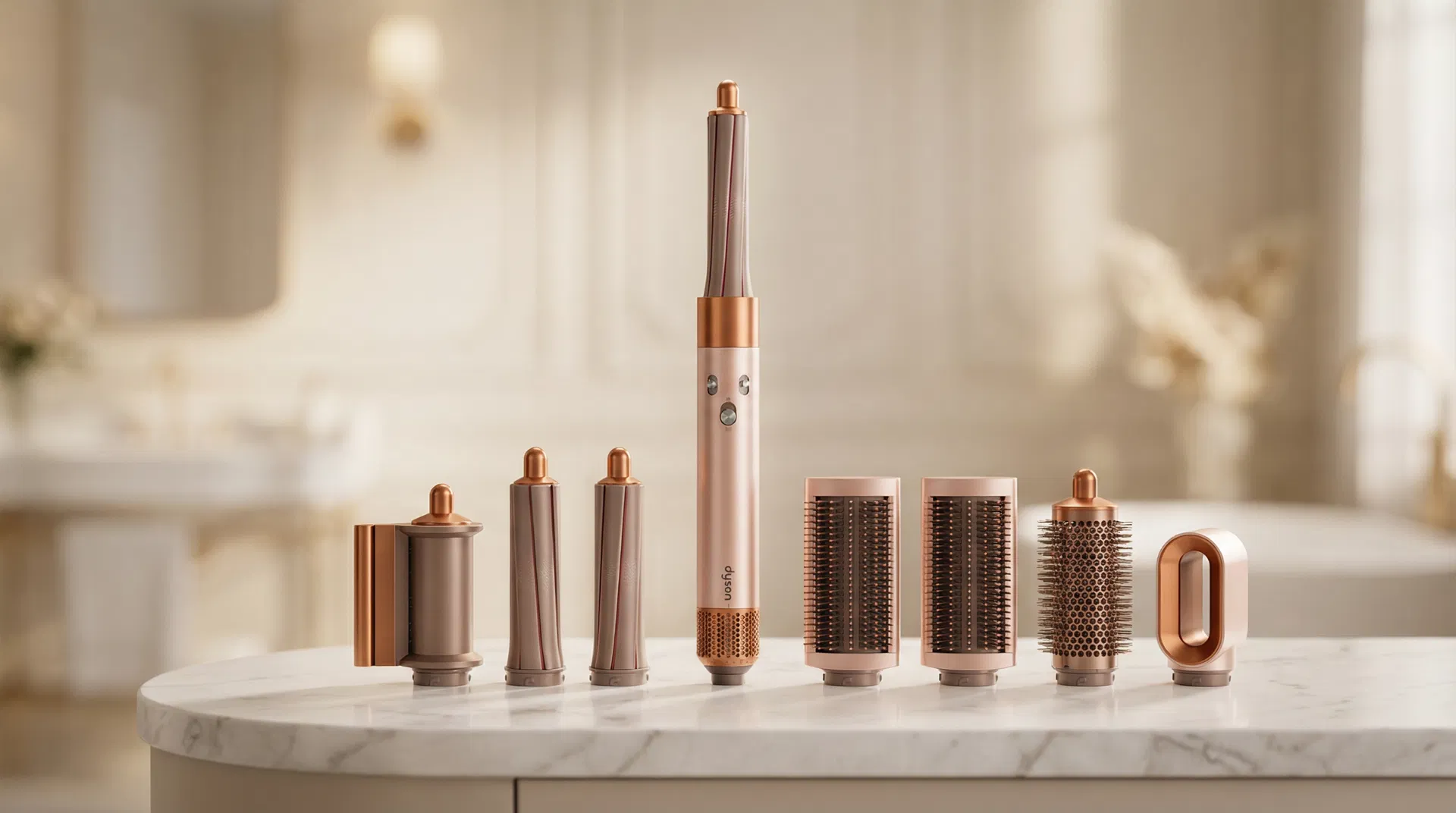
Dyson Airwrap Review 2026: Is a $549 Hair Styler Actually Worth the Money?
The Dyson Airwrap costs more than some people's rent. We read the full spec sheet, priced it against every tool it replaces and went through the independent review record to find out if the hype is real — and whether it actually beats the competition.
Keratin Treatment Damaged My Curls: How to Fix (Real Recovery Plan)
Keratin smoothed your hair straight and took your curls with it. The good news: curls come back as the treatment wears off. The frustrating part: managing frizz and uneven texture during the months-long transition.
Living Proof No Frizz Nourishing Styling Cream Review: Worth $32?
Living Proof says its No Frizz Nourishing Styling Cream blocks humidity for 72 hours. We read the formula, priced the mechanism, and checked what that claim actually means.
Olaplex No. 9 Review: Does This Silicone-Free Serum Work on Fine Hair?
Olaplex No. 9 costs $0.33 per ml and promises bond protection without silicone. We read the formula, priced the mechanism, and asked whether molecular repair delivers more anti-frizz value than a simple surface seal.