Prime Hydration Review 2026: Is Logan Paul's Drink a Sports Beverage or an Overpriced Scam?
Prime Hydration became one of the fastest-growing beverage brands in history. But does it actually hydrate you better than water? We broke down the science — and the results are not flattering.
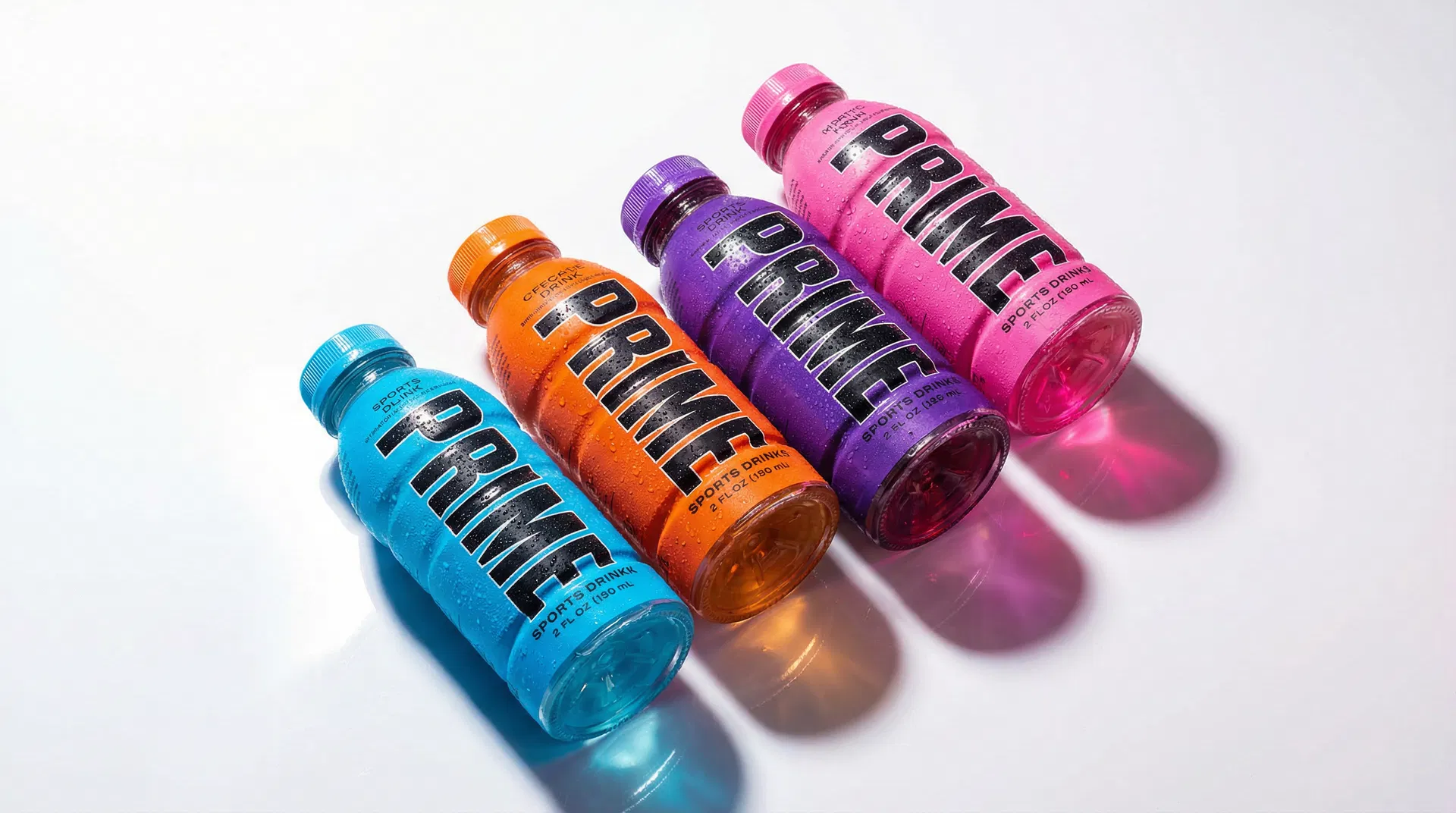
In the history of beverage marketing, few products have generated as much noise as Prime Hydration. Co-created by YouTuber Logan Paul and KSI in 2022, Prime became a cultural phenomenon — bottles were selling for $20 on eBay, stores put security tags on them, and children were trading them like currency. The brand became the official drink sponsor of the UFC and Arsenal Football Club. But behind the celebrity hype and the colorful branding lies a product with a fundamental problem: it does not actually do what it claims to do.
The background
Prime Hydration launched in January 2022 and sold 1.2 million cases in its first month. The brand expanded rapidly to include Prime Energy (a caffeinated version with 200mg of caffeine per can) alongside the original hydration drink. By 2023, Prime had achieved an estimated $250 million in annual revenue. The marketing positions Prime as a premium sports hydration drink — a direct competitor to Gatorade and Powerade — targeting athletes and fitness enthusiasts.
What it actually is
Prime Hydration is a sports drink containing coconut water, BCAAs (branched-chain amino acids), B vitamins, antioxidants, and electrolytes. It contains 2 grams of sugar per serving and is marketed as a low-sugar alternative to traditional sports drinks. Prime Energy is a separate product containing 200mg of caffeine, 300mg of electrolytes, and zero sugar. Both products come in a wide range of flavors.
What works
Prime Hydration is not entirely without merit. It is low in sugar (2g per serving compared to 34g in a standard Gatorade), which is genuinely beneficial for people who want to reduce sugar intake. The inclusion of BCAAs is a nice touch for post-workout recovery, though the 250mg dose is below the 5–10g typically used in clinical studies. The flavors are genuinely good — the brand has invested in taste, and it shows. For casual hydration in everyday situations (not intense athletic activity), it is a perfectly acceptable drink.
What does not
Here is the core problem with Prime Hydration as a sports drink: it contains only 5 milligrams of sodium per serving. Sodium is the primary electrolyte lost through sweat, and it is the most critical one to replace during and after intense exercise. For comparison, Gatorade contains 160mg of sodium per serving, and Powerade contains 150mg. Prime's sodium content is so low that it is essentially irrelevant for athletic rehydration purposes. The claim that Prime is a superior hydration drink is scientifically unsupported. Additionally, Prime Energy's 200mg of caffeine per can — equivalent to two cups of coffee — raised significant concerns from health authorities, particularly regarding marketing to children and teenagers.
What it costs
Prime Hydration retails for approximately $2.50–$3.00 per 16.9 oz bottle at major retailers. Prime Energy retails for approximately $2.00–$2.50 per 12 oz can. For comparison, Gatorade retails for approximately $1.50–$2.00 per 20 oz bottle. Prime is priced at a premium relative to established sports drinks, which is difficult to justify given the inferior electrolyte profile for actual athletic use.
The verdict
Prime Hydration is a well-marketed, decent-tasting low-sugar beverage that is fundamentally misrepresented as a sports hydration drink. For casual consumption — a drink with lunch, a post-walk refreshment — it is fine. For actual athletic hydration, it is significantly inferior to Gatorade, Powerade, or even a simple glass of water with a pinch of salt. The celebrity hype has obscured a product that, on its merits, would be an unremarkable addition to the beverage aisle. Consumers deserve to know the difference between marketing and science.
What works
- Low sugar (2g per serving)
- Good taste across multiple flavors
- Includes BCAAs for recovery
- Widely available at major retailers
- Colorful branding and fun packaging
What does not
- Only 5mg sodium — inadequate for real athletic hydration
- Premium price not justified by nutritional profile
- Prime Energy's 200mg caffeine raises health concerns
- Marketing claims outpace scientific evidence
- Celebrity hype inflates perceived value
Related
See all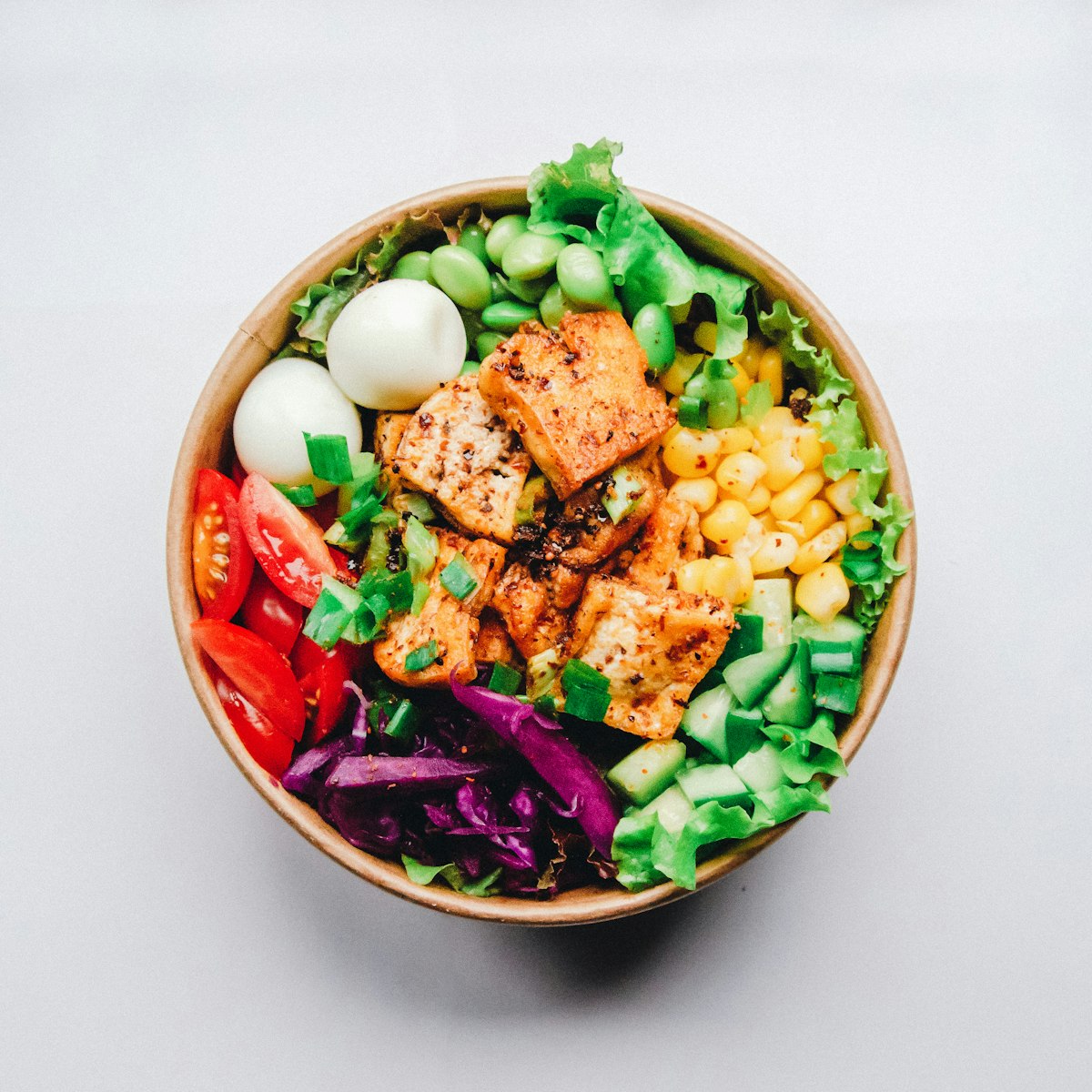
Matcha Powder Review 2026: Is This Superfood Worth It?
Matcha powder promises antioxidant-packed energy and health boosts, but does the science back the hype amid rising prices and contamination risks? Trisend Magazine tests the claims to reveal if premium ceremonial matcha justifies its $20–$50 tins for daily rituals or if cheaper greens suffice.
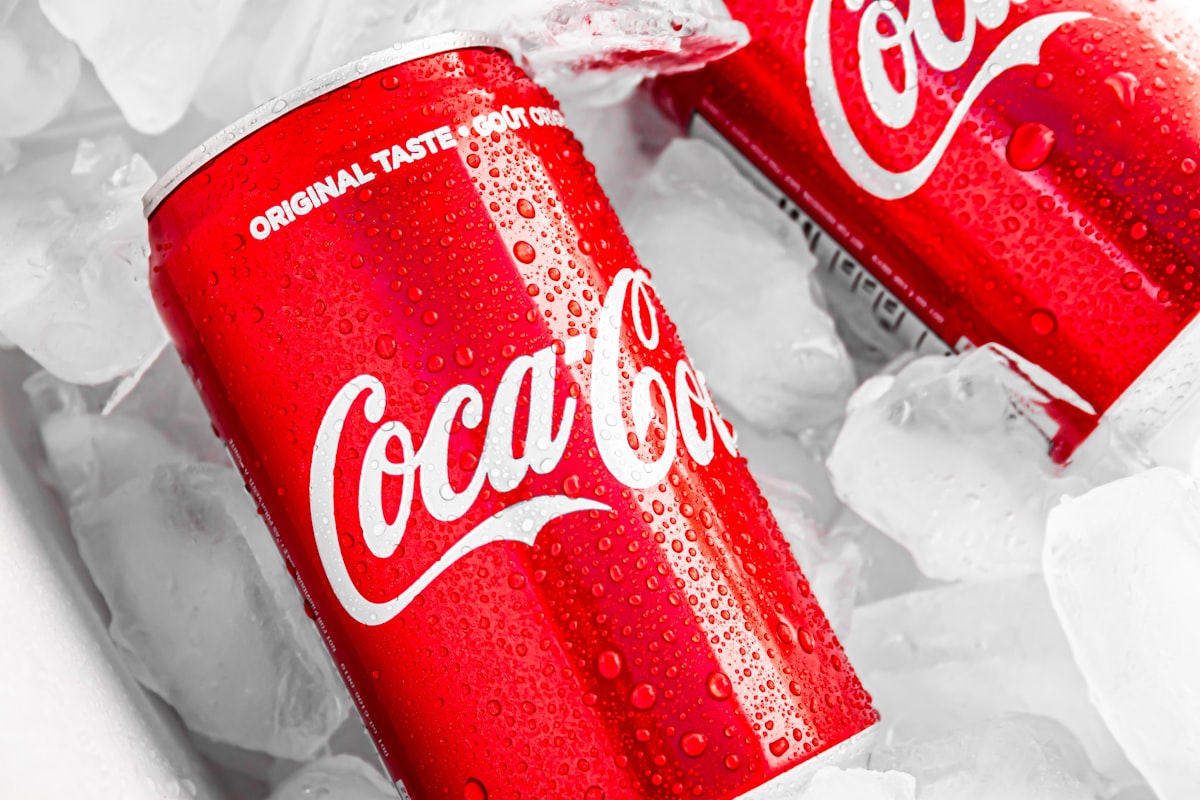
OLIPOP Review 2026: Is the Prebiotic Soda Actually Good for Your Gut?
OLIPOP promises the taste of classic soda with 9g of prebiotic fiber and a fraction of the sugar. We read the full ingredient label across six flavors, priced it per can and ran the formula against the science. Here is the honest verdict.
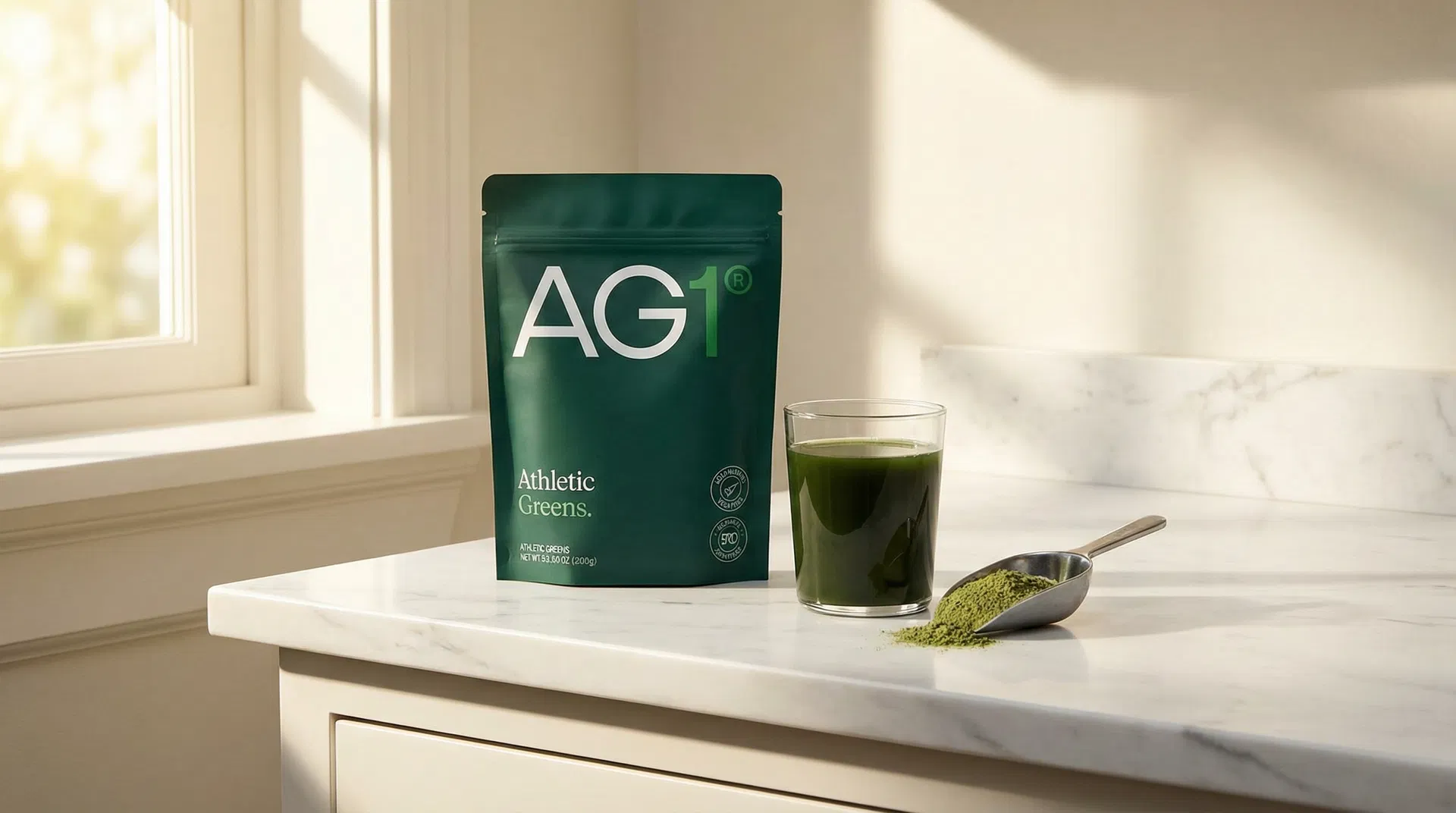
AG1 by Athletic Greens Review: Is This $99/Month Greens Powder Actually Worth It?
AG1 promises 75 vitamins, minerals, and adaptogens in a single scoop. We dug into the science, the ingredients, and the price tag — and the truth might surprise you.

Air Purifiers 2026: Overhyped Promises Consumer Alert
Air purifiers promise cleaner air and allergy relief, but overhyped claims ignore real-world limits like sizing and maintenance. Trisend uncovers the science, scandals, and true value in this 2026 consumer alert.