Air Purifiers 2026: Overhyped Promises Consumer Alert
Air purifiers promise cleaner air and allergy relief, but overhyped claims ignore real-world limits like sizing and maintenance. Trisend uncovers the science, scandals, and true value in this 2026 consumer alert.

In a market exploding to $17.58 billion by 2026, air purifiers sell the dream of hospital-grade air amid pollution fears and post-COVID health trends. But brands' bold claims of 50-90% PM2.5 cuts, asthma relief, and odor banishment often crumble under real-world scrutiny. This Trisend consumer alert exposes the hype, hidden costs, and when these devices actually deliver.
The background
Air purifiers debuted mid-20th century for industrial and medical needs, hitting homes in the 1980s with allergy booms and urban smog. Today's models surged post-COVID, fueled by smart tech and health scares, though effectiveness hinges on proper use.
What it actually is
These kitchen and home appliances filter indoor air via HEPA traps (99.97% of 0.3-micron particles), activated carbon for VOCs and odors, or extras like UV and ionizers. CADR ratings gauge speed for room size and pollutants like PM2.5 from dust or pollen. They shine in sealed spaces but falter without ventilation or maintenance.
What works
HEPA units slash PM2.5 by 50-90%, easing allergies and asthma per EPA data. A 2025 UConn study showed 2.8 mmHg systolic blood pressure drops in highway-adjacent adults after one month. Texas A&M's 2026 research on 1,600 asthmatics found fewer attacks and better sleep, especially for women, elderly, and Black adults when paired with fans and no smoking. Pet owners praise fresher air and less dust on forums.
What does not
Ionizers produce lung-irritating ozone, earning EPA warnings, while UV struggles with airborne viruses. Complaints flood Amazon and Reddit: high noise, unchanged dust in big rooms, and 'no difference' sans filter swaps. 2026 scandals exposed fake MERV ratings in non-3M filters, with IQAir calling out industry fudging. Upkeep hits $100-300 yearly, often buried in ads.
What it costs
Basic HEPA starts at $100-200 for small rooms; premiums like IQAir or Dyson reach $500-1,500 with smart apps. Filters add $20-100 every 6-12 months, totaling $100-300 annually—poor ROI if undersized. Ventilation or HVAC upgrades offer better value at half the long-term cost.
The verdict
Buy a properly sized HEPA for bedrooms if you're asthmatic near traffic or with pets—test returns and maintain filters. Skip ionizers and smart gimmicks lacking proof; prioritize no-smoking homes and exhaust fans first. In polluted spots, they help, but they're no cure-all amid hype.
What works
- 50-90% PM2.5 reduction with HEPA
- Asthma relief and better sleep in studies
- Odor control via carbon filters
- Proven blood pressure benefits near highways
- Fewer allergy attacks for pet owners
What does not
- Ozone risks from ionizers
- High $100-300 yearly filter costs
- Ineffective in large/open spaces
- Fake MERV ratings scandals
- No fix for mold, pests, or poor ventilation
Related
See all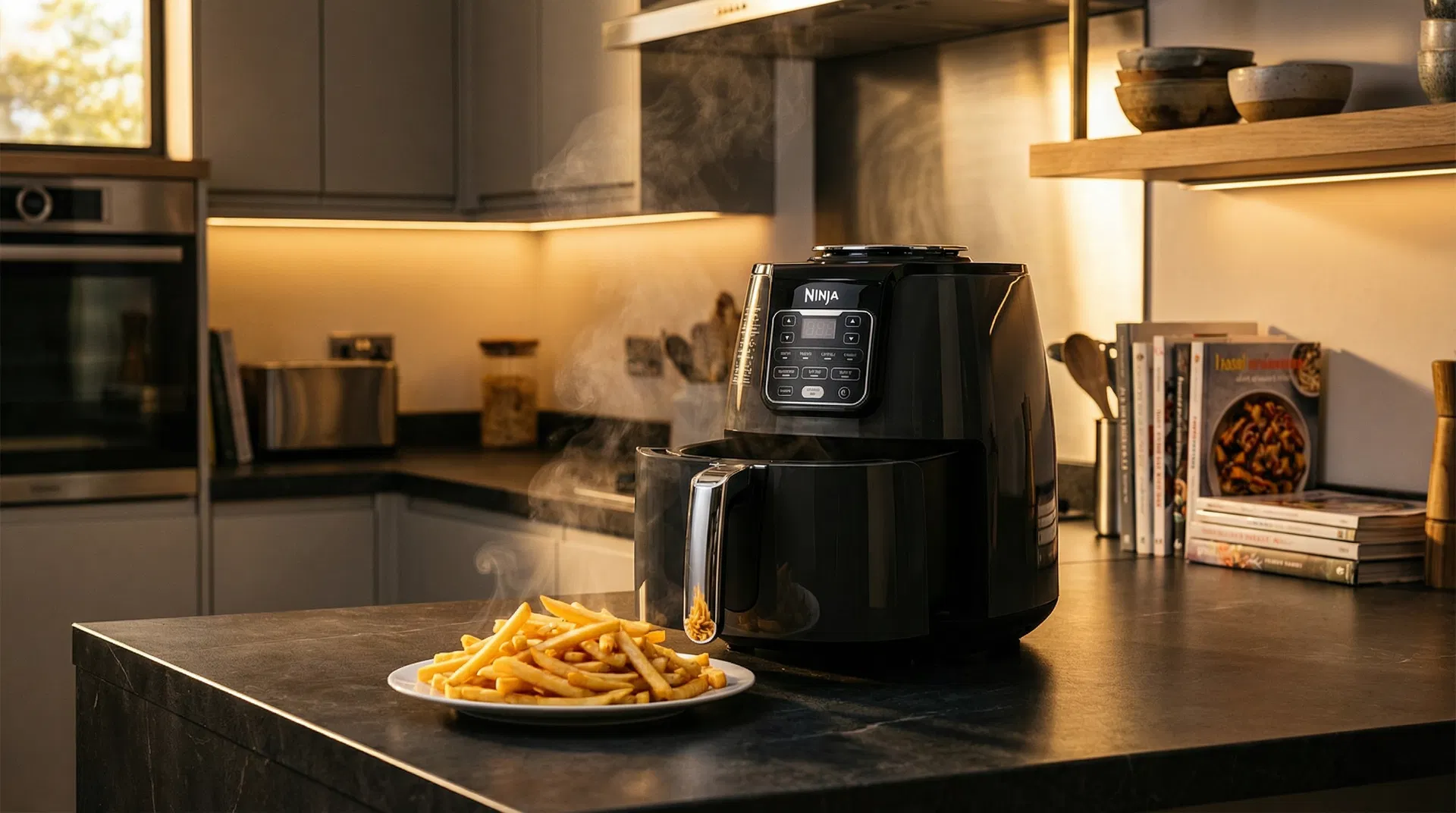
Ninja Air Fryer Review 2026: The Best Kitchen Appliance You'll Actually Use Every Day
We compared 8 Ninja air fryer models on specs, price and the independent review record. Here's which one you should actually buy — and which ones to skip.
Best Spin Mops 2026: Worth the Hype or Just Hype?
Spin mops promise effortless cleaning with centrifugal force and reusable microfiber heads. We checked the claims against the spec sheets, the published prices and the independent review record to see if they deliver.
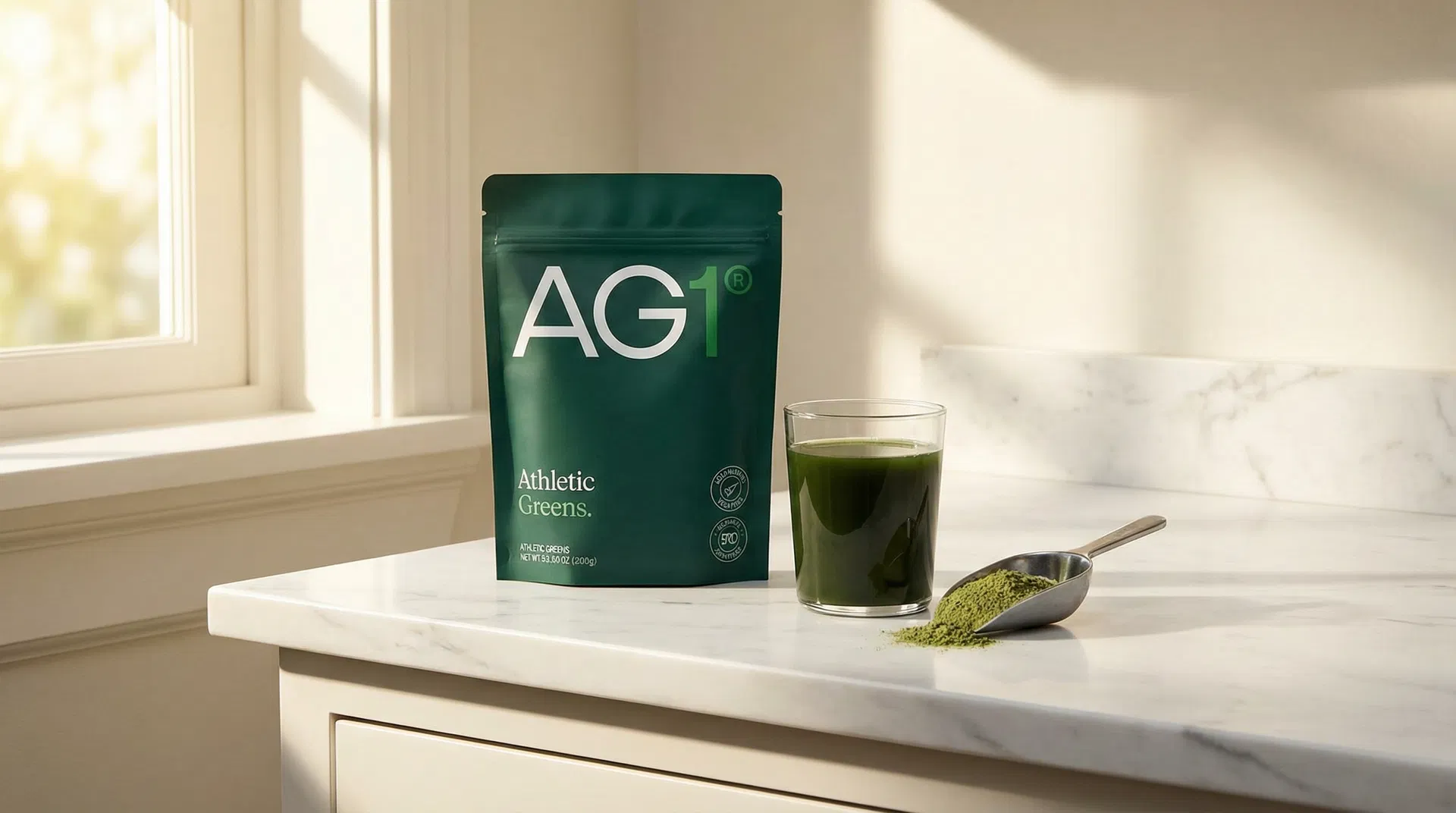
AG1 by Athletic Greens Review: Is This $99/Month Greens Powder Actually Worth It?
AG1 promises 75 vitamins, minerals, and adaptogens in a single scoop. We dug into the science, the ingredients, and the price tag — and the truth might surprise you.

ARMRA Colostrum Review 2026: Does It Actually Work or Is It Overhyped?
ARMRA Colostrum has gone viral on TikTok and earned celebrity endorsements. We went through the full ingredient panel, reviewed the clinical evidence, and checked the price against the competition. The results are more nuanced than the marketing suggests.