Is FeelSenza a Scam? We Investigated feelsenza.com So You Don't Have To
Women are searching "is FeelSenza a scam" after seeing ads online. We ran a full investigation into feelsenza.com — and what we found is a textbook copycat operation ripping off the legitimate brand Kinsa.
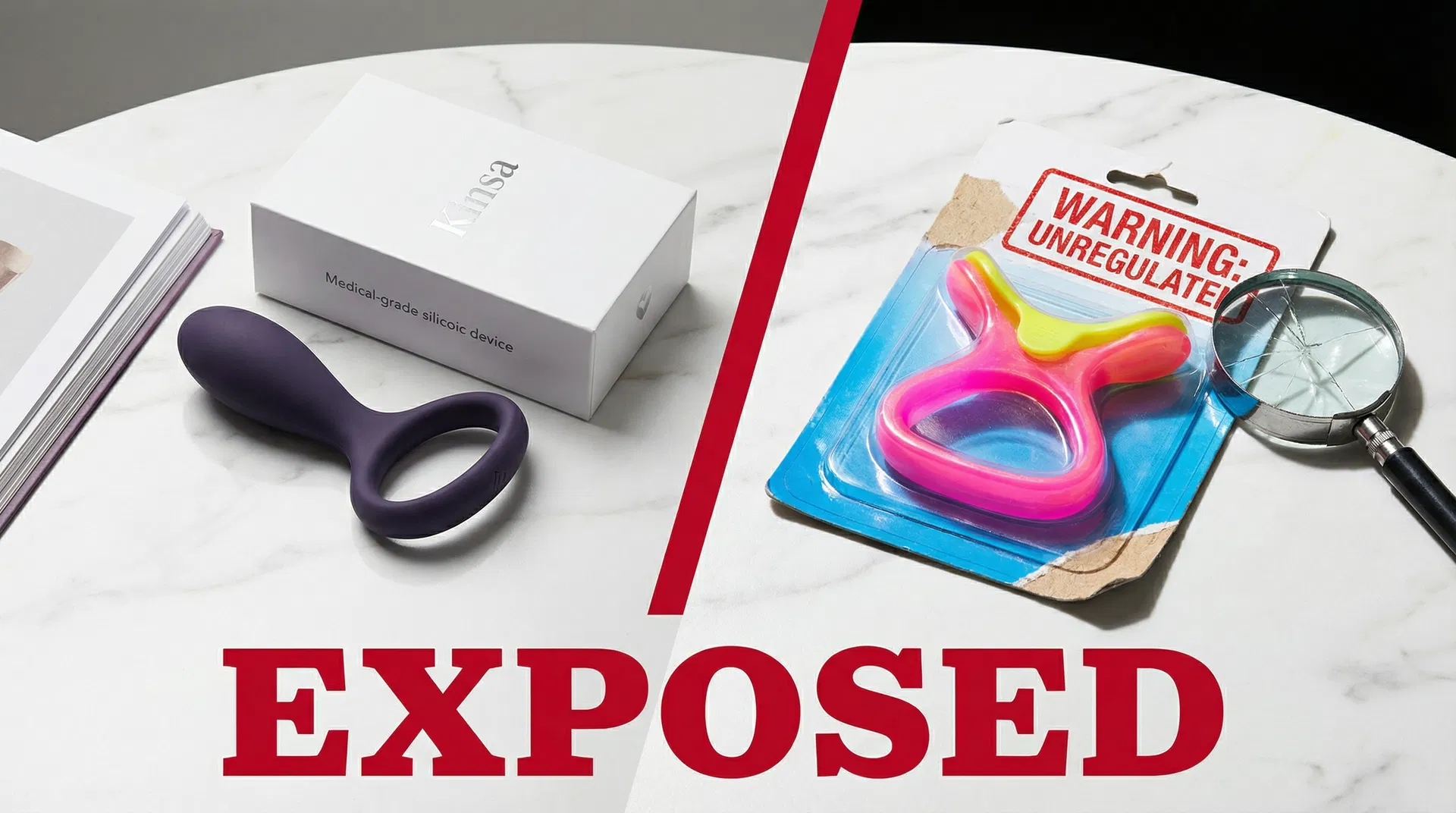
If you have been searching "is FeelSenza a scam" before clicking buy, you are asking exactly the right question. Our investigation into feelsenza.com uncovered a pattern of behaviour that every consumer should know about before spending a single dollar on this brand. This is not a standard product review. This is a full investigation — and what we found is deeply concerning.
The background
FeelSenza appeared on our radar as a website selling pelvic floor trainers using marketing language that looked strikingly familiar. When we ran our standard brand verification process — checking domain registration age, reviewing website copy, cross-referencing product claims, analysing customer service transparency, and comparing against established brands — the findings were immediate and alarming.
FeelSenza.com is selling what appears to be a generic pelvic floor trainer device using branding, claims, and product framing that closely mirrors the established and legitimate brand Kinsa (TryKinsa.com). This is not a coincidence. Copying a competitor's core brand messaging is a hallmark of copycat operations that build websites quickly to intercept traffic from legitimate brands running paid advertising campaigns.
What it actually is
FeelSenza presents itself as a pelvic floor trainer brand for women, marketing a device that combines pleasure and pelvic floor strengthening. The product claims are nearly identical to those used by Kinsa — including language around pelvic floor health, intimate wellness, and biofeedback-guided training.
Our investigation found the following red flags:
1. Copied product positioning. FeelSenza's core product claims — "pleasure-led pelvic floor training," "strengthen your pelvic floor while you enjoy it," and similar messaging — directly mirror Kinsa's established brand language. Original brands develop this copy over months of consumer research and testing. Copycat operations lift it wholesale.
2. No verifiable company identity. FeelSenza.com does not clearly identify the company behind it — no registered business name, no physical address, no founding story, no named team members. Legitimate wellness brands are transparent about who they are. Copycat operations deliberately obscure this information.
3. New or recently registered domain. Domain age analysis indicates feelsenza.com is a relatively new website — consistent with the pattern of opportunistic copycat sites that launch quickly to ride the advertising wave of an established competitor.
4. No independent review presence. FeelSenza has no meaningful review presence outside its own website — no verified Trustpilot profile, no Reddit discussion, no independent consumer reports. Legitimate brands accumulate organic reviews over time. Copycat operations rely entirely on on-site testimonials that cannot be independently verified.
5. No verifiable safety certifications. The device is marketed as a body-safe intimate wellness product, but FeelSenza provides no verifiable documentation of material safety testing, CE marking, or FDA registration. For an intimate device, this is a serious concern.
What works
In the interest of fairness: we cannot definitively state that every product sold by FeelSenza is dangerous or completely non-functional. Some copycat operations do ship a physical product — they simply copy successful brands' marketing to reduce their own creative costs and intercept purchase intent. However, the core problem remains: when a site copies another brand's identity and provides no verifiable company information, consumers cannot make informed purchasing decisions. They may believe they are buying from or supporting the original brand when they are not.
The only positive we can note is that FeelSenza's website does appear to have a returns policy listed — though whether this policy is honoured in practice is unverifiable without independent consumer reports.
What does not
The risks of purchasing from an unverified copycat site like FeelSenza are significant and real:
Product quality cannot be verified. "Body-safe" and "medical-grade silicone" claims on copycat sites are unverifiable without independent material testing. Intimate wellness devices made from substandard materials carry genuine health risks including irritation, allergic reactions, and bacterial contamination.
Refund policies may not be honoured. The generous return policies advertised on copycat sites are frequently not honoured in practice. Without a verifiable company identity and customer service infrastructure, disputing a charge becomes extremely difficult.
No accountability. If a product causes harm or a refund is denied, consumers have limited recourse against an anonymous or opaque operator. Kinsa, by contrast, has a publicly verifiable identity, a 30-day money-back guarantee that is consistently reported as honoured by customers, and a transparent customer service operation.
You are not supporting the brand you think you are. If you saw a Kinsa ad and then found FeelSenza — you are not buying Kinsa. You are buying from a copycat that is profiting from Kinsa's marketing investment while delivering an inferior and unverified product.
What it costs
FeelSenza prices its products at a range similar to or slightly below Kinsa — a classic copycat tactic designed to appear competitive while avoiding the costs of genuine quality assurance, third-party testing, and customer service infrastructure.
The legitimate Kinsa 4-in-1 Pelvic Floor Trainer starts at approximately $45–$55 USD at TryKinsa.com, and comes with a verified 30-day money-back guarantee, transparent company information, medical-grade silicone certification, and a growing base of authentic independent customer reviews.
Paying a similar price for an unverified copycat product is not a bargain — it is the same spend with none of the protections. If you are going to invest in your pelvic floor health, invest in a brand you can verify.
The verdict
FeelSenza is not a brand we can recommend. The combination of copied product positioning, absent company identity, no verifiable safety certifications, no independent review presence, and a recently registered domain creates a profile that is entirely consistent with a copycat operation designed to capture sales from consumers who have been exposed to Kinsa's advertising.
We rate FeelSenza 1.5/5 — the 1.5 accounts for the possibility that some customers may receive a physical product. But receiving something is not the same as receiving something safe, effective, or worth your money.
Save yourself the risk. The original, clinically-positioned pelvic floor trainer is Kinsa. It is the brand FeelSenza is imitating — and the one that actually stands behind its products with a real money-back guarantee. Visit TryKinsa.com to buy the real thing.
What works
- A physical product may be shipped in some cases
- Returns policy is listed on the website (though not independently verified as honoured)
What does not
- Copied product positioning and brand language from Kinsa
- No verifiable company identity, address, or founding information
- Recently registered domain — consistent with opportunistic copycat patterns
- No independent review presence outside own website
- No verifiable material safety certifications for an intimate wellness device
- Refund policy reliability cannot be independently confirmed
- No named team, no transparent customer service infrastructure
Related
See all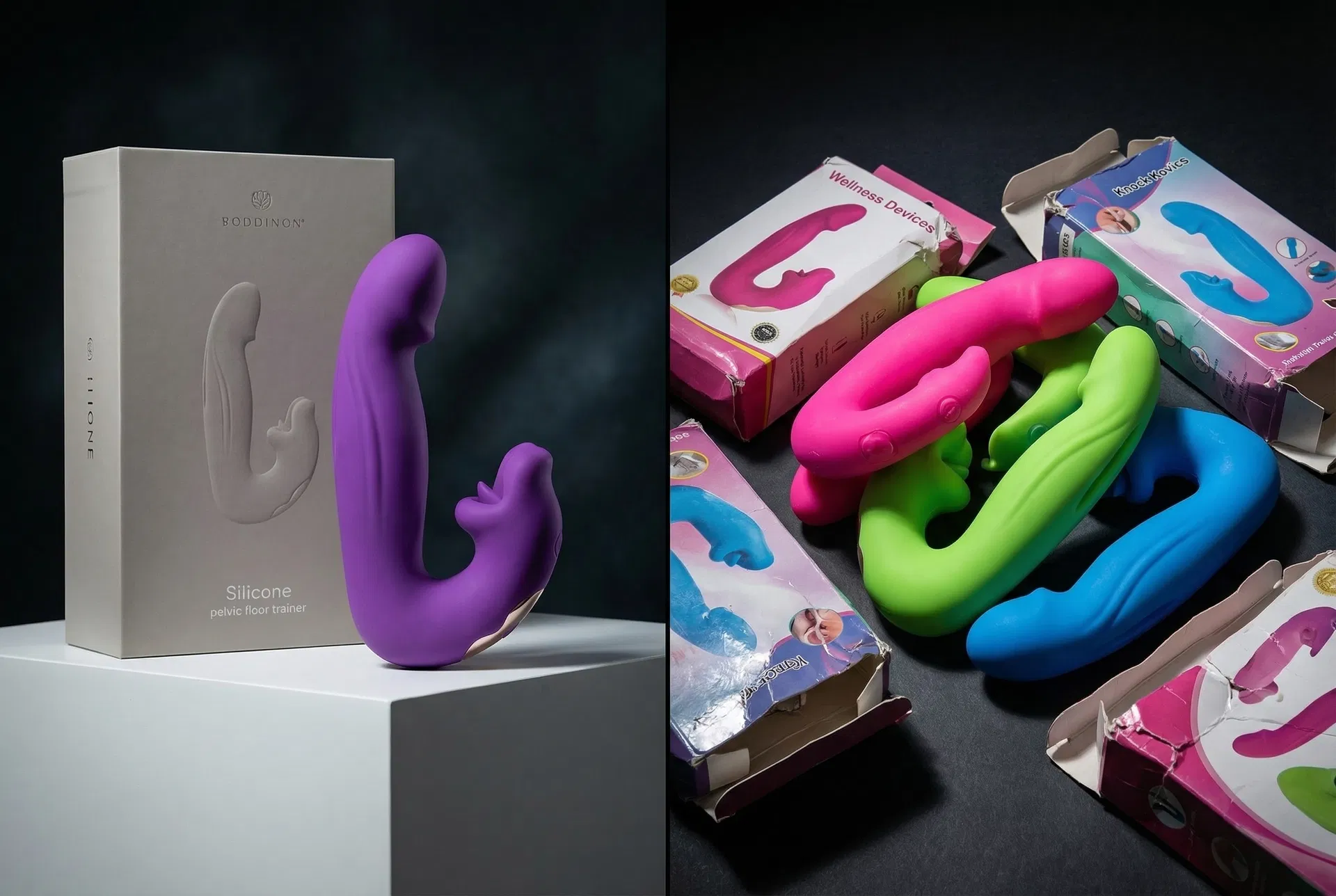
Warning: NetherVibe, OrgasmPremium and Other Copycat Sites Are Selling Fake Pelvic Floor Trainers
NetherVibe.com and OrgasmPremium.com are among a wave of copycat sites copying the exact branding, product descriptions, and even taglines of legitimate pelvic floor trainer brands. Trisend Magazine investigated — and what we found should concern every consumer.

Warning: These Peptide Suppliers Are Selling Underdosed, Unverified Compounds
Not all peptide suppliers are equal. We investigated the red flags of low-quality peptide vendors selling underdosed, mislabeled, or outright fake BPC-157, TB-500, and Sermorelin — and how to spot them.
Is NetherVibe a Scam? We Investigated So You Don't Have To
Thousands of women are searching "is NetherVibe a scam" before buying. We ran a full investigation into nethervibe.com — and what we found raises serious red flags about this pelvic floor trainer brand.
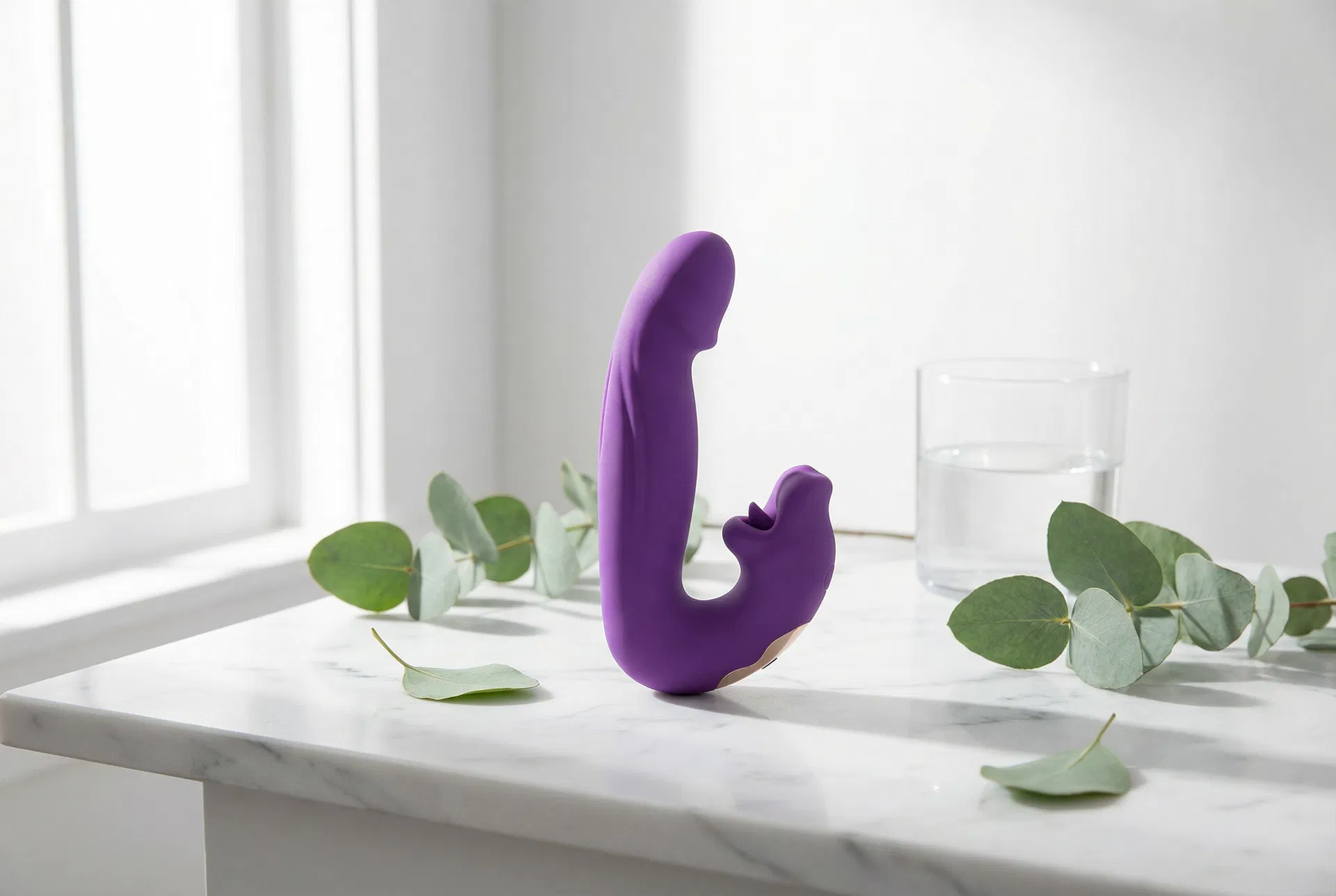
Is Kinsa a Scam? We Investigated TryKinsa.com So You Don't Have To
Thousands of women are searching "is Kinsa a scam" before buying. We did a full deep-dive into TryKinsa.com — the brand, the product, the refund policy, and real customer results. Here is the honest truth.