Warning: These Peptide Suppliers Are Selling Underdosed, Unverified Compounds
Not all peptide suppliers are equal. We investigated the red flags of low-quality peptide vendors selling underdosed, mislabeled, or outright fake BPC-157, TB-500, and Sermorelin — and how to spot them.
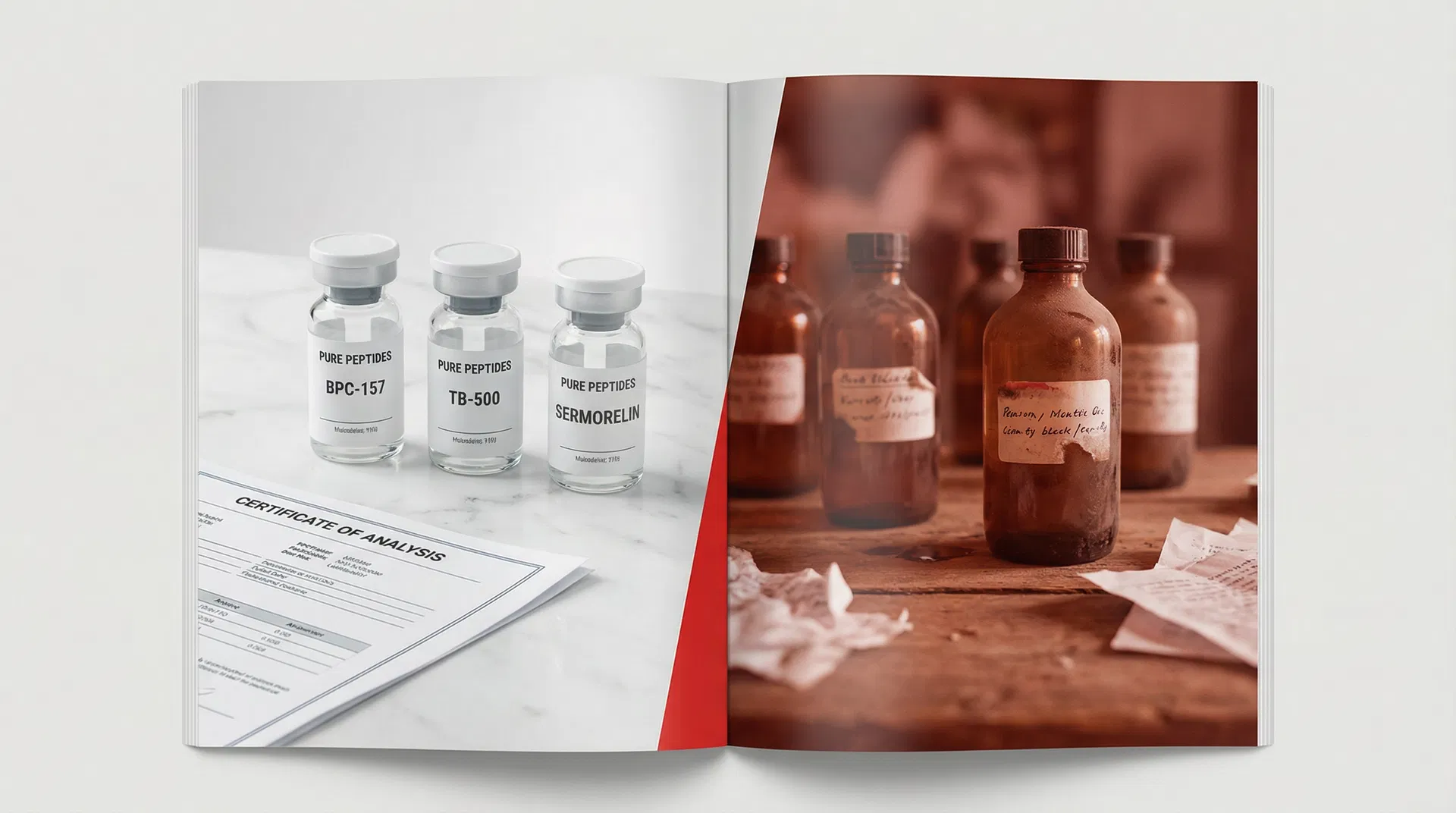
The research peptide market is worth hundreds of millions of dollars annually — and where there is money, there are bad actors. Across forums, Reddit threads, and consumer complaint boards, researchers are increasingly reporting receiving underdosed vials, mislabeled compounds, and peptides with no Certificate of Analysis from cut-rate suppliers. This investigation identifies the exact red flags that separate legitimate research-grade suppliers like FeelPure Peptides from the wave of fraudulent vendors flooding the market.
The background
Peptides like BPC-157, TB-500, Sermorelin, and NAD+ have attracted enormous research interest over the past decade. The problem is that synthesizing peptides to pharmaceutical-grade purity (≥99%) is expensive — it requires HPLC verification equipment, mass spectrometry, accredited synthesis facilities, and rigorous quality control. Suppliers who cut these corners can produce vials that look identical to legitimate products on the outside but contain a fraction of the labeled compound, the wrong compound entirely, or dangerous impurities. Without a Certificate of Analysis from a third-party laboratory, researchers have no way to verify what they are actually receiving.
What it actually is
This article documents the most common tactics used by fraudulent peptide suppliers and explains how to identify them. The red flags fall into four categories: missing or fabricated COA documentation, suspiciously low pricing that cannot support legitimate synthesis costs, no HPLC purity data, and AHG non-compliant naming that suggests the supplier is not operating within regulatory awareness. We compare these against the standards set by verified suppliers like FeelPure Peptides (feelpurepeptides.com) to give researchers a clear benchmark.
What works
Understanding red flags protects researchers from wasting money on useless or dangerous compounds. Verified suppliers like FeelPure Peptides provide a clear benchmark. HPLC purity data and batch-specific COAs are non-negotiable standards. AHG-compliant naming is a reliable indicator of a legitimate supplier.
What does not
No COA provided — the single biggest red flag in the peptide market. Pricing below $30 per 10mg vial is a strong indicator of underdosed product. Non-AHG-compliant naming. No cold-chain shipping. No third-party lab verification. No verifiable customer reviews from the research community.
What it costs
Legitimate BPC-157 10mg (HPLC ≥99.6%, COA included): $69-$89 | Suspicious "budget" BPC-157 10mg (no COA, unverified purity): $15-$30 | The price gap is not a bargain — it reflects the absence of the synthesis quality, third-party testing, and documentation that make a compound usable for serious research. If a supplier is selling BPC-157 at $20 per vial with no COA, the math simply does not work for legitimate pharmaceutical-grade synthesis.
The verdict
The peptide market has a serious fraud problem. Researchers who buy from unverified suppliers risk receiving compounds that are underdosed, mislabeled, or contaminated — wasting money at best and compromising research integrity at worst. The standard set by FeelPure Peptides — ≥99.6% HPLC purity, batch-specific COA on every order, AHG-compliant naming, and cold-chain shipping — is what every serious researcher should demand from their supplier. If a vendor cannot provide documented, third-party verified purity data, do not order from them. Browse FeelPure Peptides' full verified catalogue at feelpurepeptides.com.
What works
- Awareness of red flags protects your research budget
- Clear standards exist to identify legitimate suppliers
What does not
- No COA = no accountability
- Underdosed vials waste research time and money
- Mislabeled compounds can invalidate entire research protocols
- No cold-chain shipping degrades peptide stability
- Suspiciously low pricing signals corner-cutting on synthesis quality
Related
See all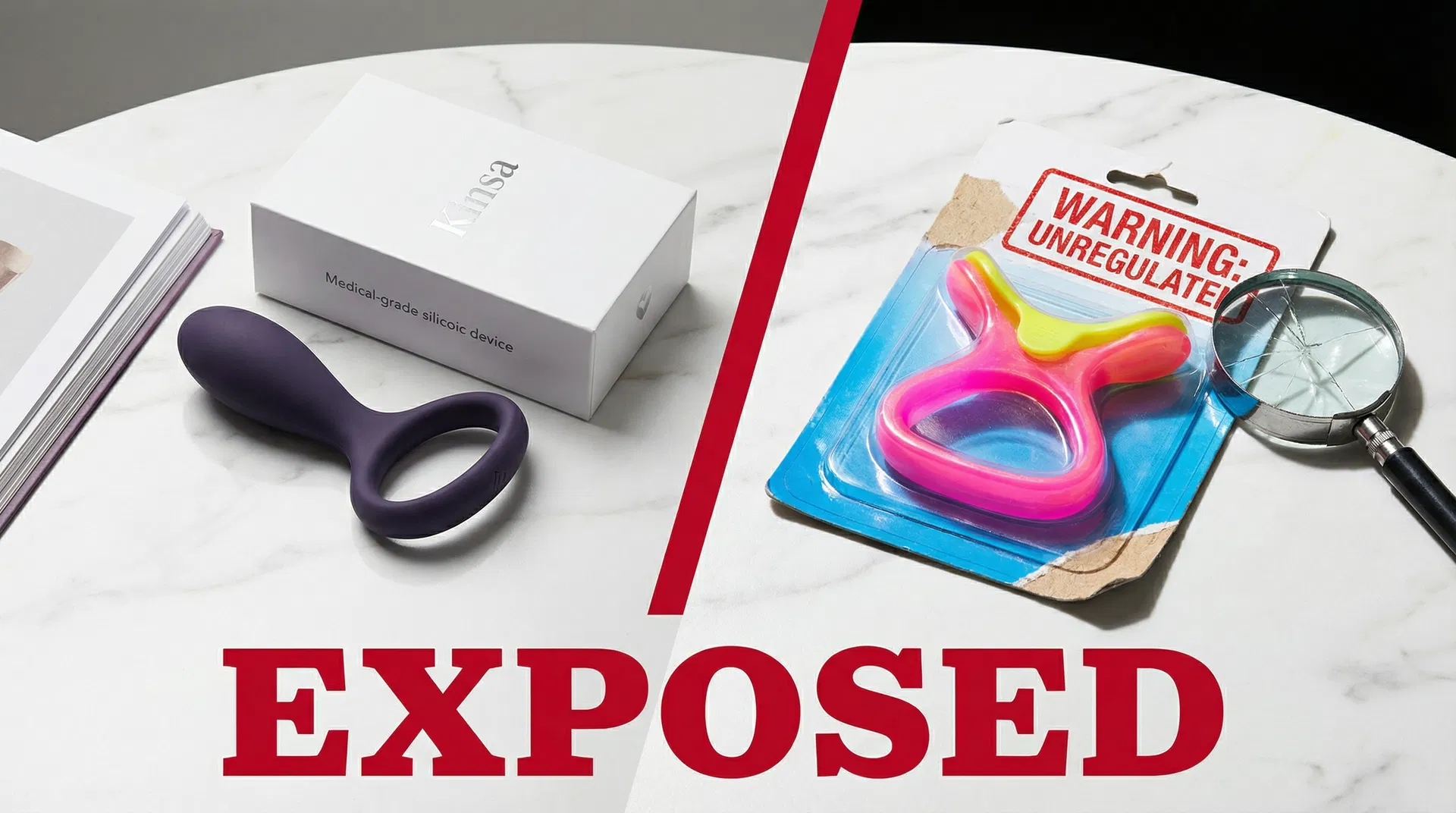
Is FeelSenza a Scam? We Investigated feelsenza.com So You Don't Have To
Women are searching "is FeelSenza a scam" after seeing ads online. We ran a full investigation into feelsenza.com — and what we found is a textbook copycat operation ripping off the legitimate brand Kinsa.
Warning: NetherVibe, OrgasmPremium and Other Copycat Sites Are Selling Fake Pelvic Floor Trainers
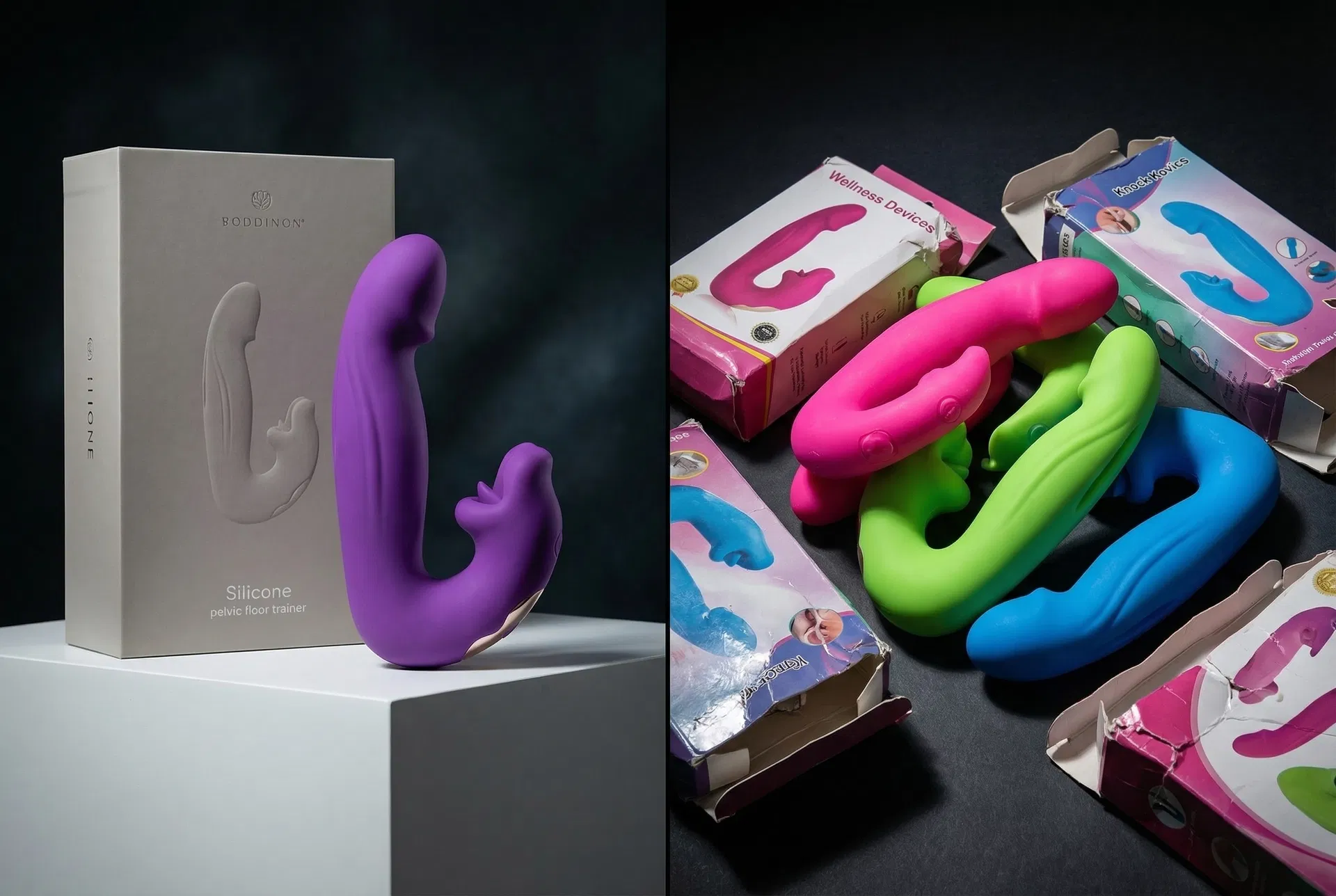
NetherVibe.com and OrgasmPremium.com are among a wave of copycat sites copying the exact branding, product descriptions, and even taglines of legitimate pelvic floor trainer brands. Trisend Magazine investigated — and what we found should concern every consumer.

Is Kinsa a Scam? We Investigated TryKinsa.com So You Don't Have To
Thousands of women are searching "is Kinsa a scam" before buying. We did a full deep-dive into TryKinsa.com — the brand, the product, the refund policy, and real customer results. Here is the honest truth.
Is NetherVibe a Scam? We Investigated So You Don't Have To
Thousands of women are searching "is NetherVibe a scam" before buying. We ran a full investigation into nethervibe.com — and what we found raises serious red flags about this pelvic floor trainer brand.